

Finest Kind Certified™ Verification Standards
Finest Kind Certified™ verification follows a structured, evidence-based methodology designed to evaluate authenticity, mechanical performance, and condition through systematic inspection and documented observations.
Inspection • Measurement • Disclosure

Verification Methodology
Every watch in our inventory, sourced for a private client, or submitted for certification undergoes a structured multi-stage verification process combining visual inspection, mechanical analysis, and detailed documentation.
Luxury watch authentication and certification requires a structured, evidence-based process. This page outlines how luxury watches are authenticated, inspected, and certified through the Finest Kind Certified™ methodology, including detailed inspection, diagnostics, and condition documentation.
The goal is not to impose universal tolerances across all watches, but to establish a consistent framework for evaluating and disclosing the characteristics of each individual piece. This methodology ensures collectors receive transparent, well-documented information regarding a watch’s authenticity, mechanical performance, and condition.
Physical Inspection
Every watch begins with a comprehensive external inspection designed to document condition, wear, and structural integrity.
This stage focuses on the visible and functional elements of the watch, including:
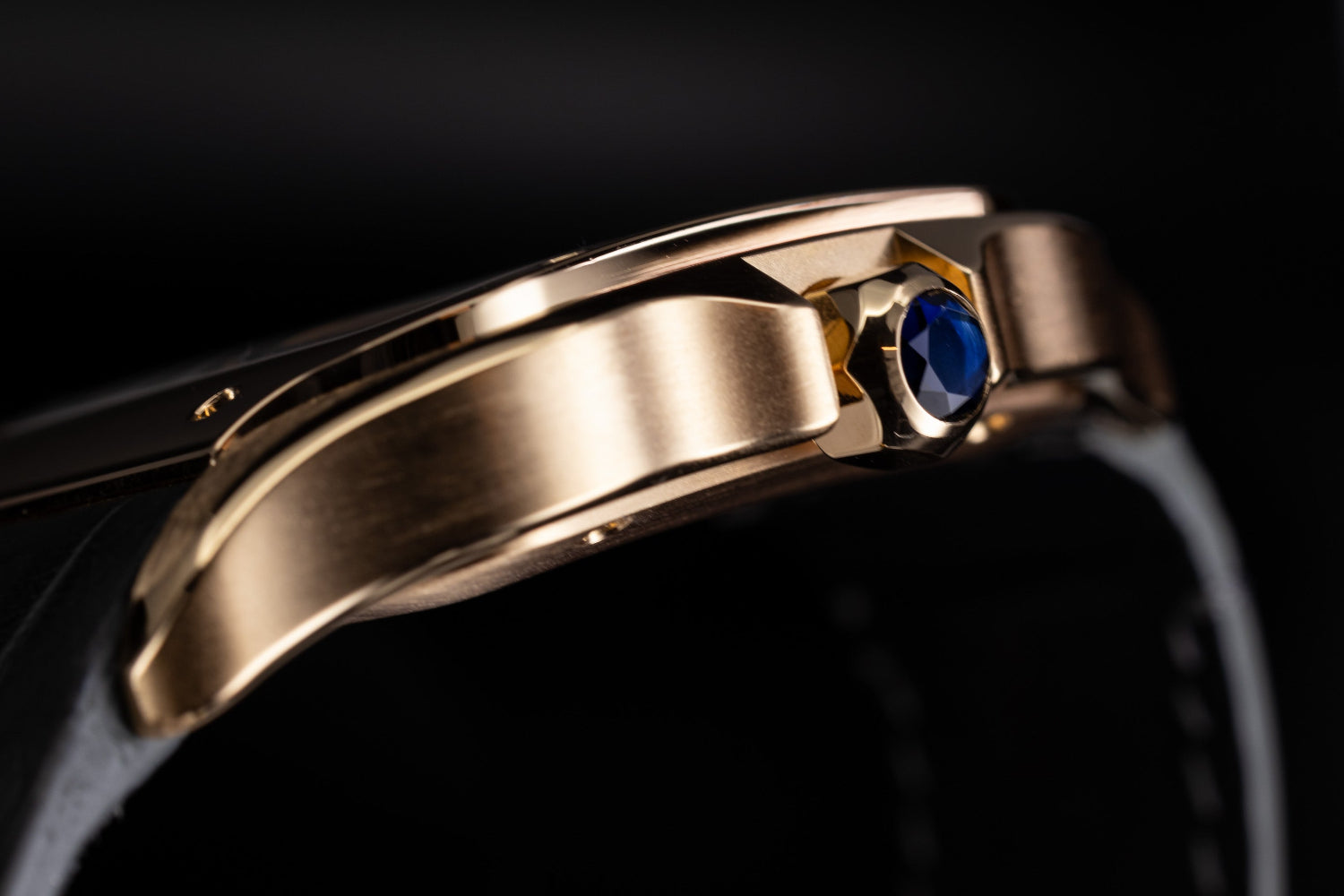
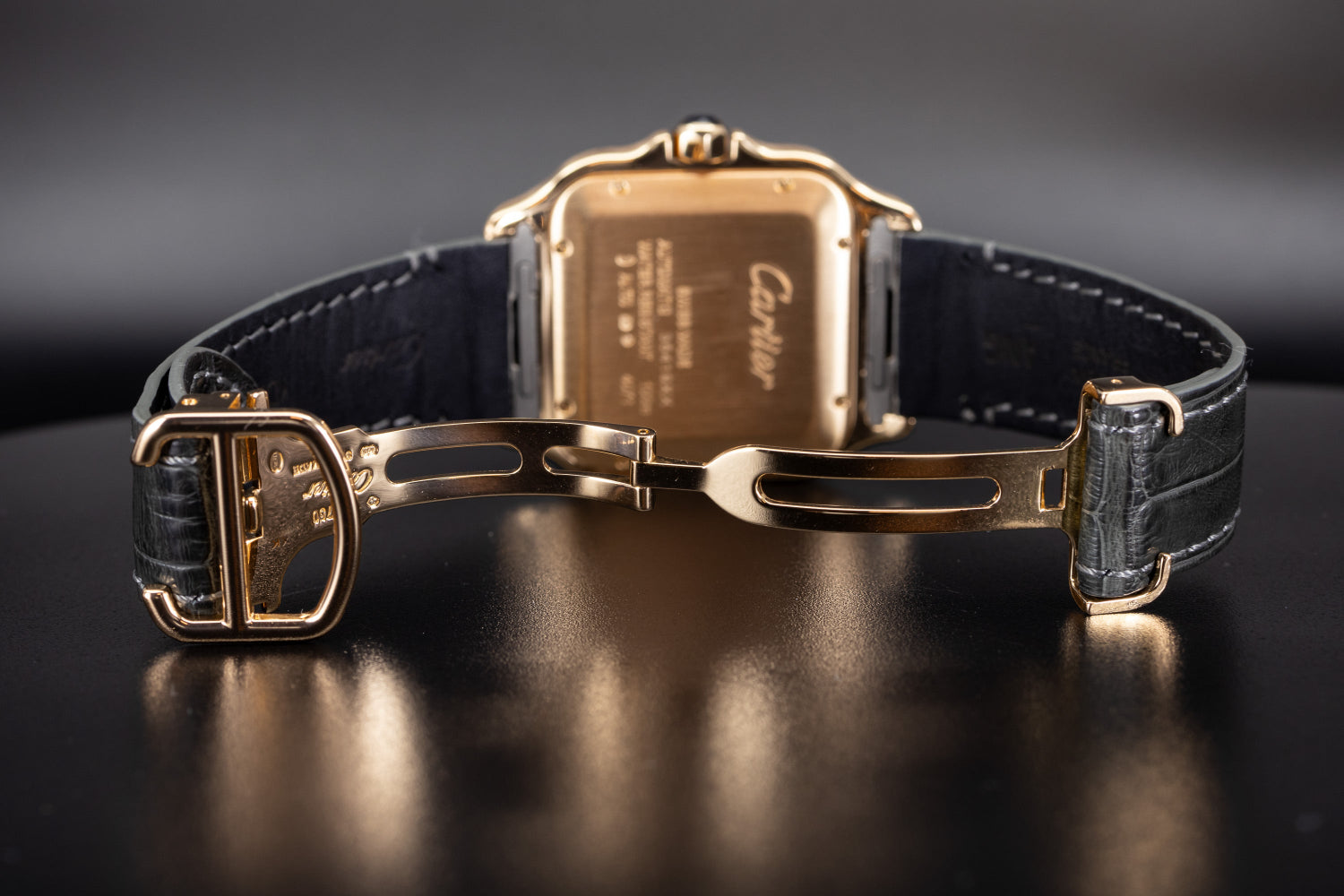
- Case condition and surface integrity
- Bezel alignment and wear
- Crystal condition and clarity
- Dial and handset condition
- Crown and pusher operation
- Bracelet or strap condition / stretch
- Clasp functionality and wear
- Signs of polishing or refinishing
- Corrosion or moisture indicators
- Component replacement indicators
Authenticity & Component Integrity
Authentication involves a systematic review of the watch’s identifying components to confirm consistency with manufacturer specifications. Particular attention is given to identifying replacement components, service parts, or inconsistencies that may affect originality.
This typically includes examination of:
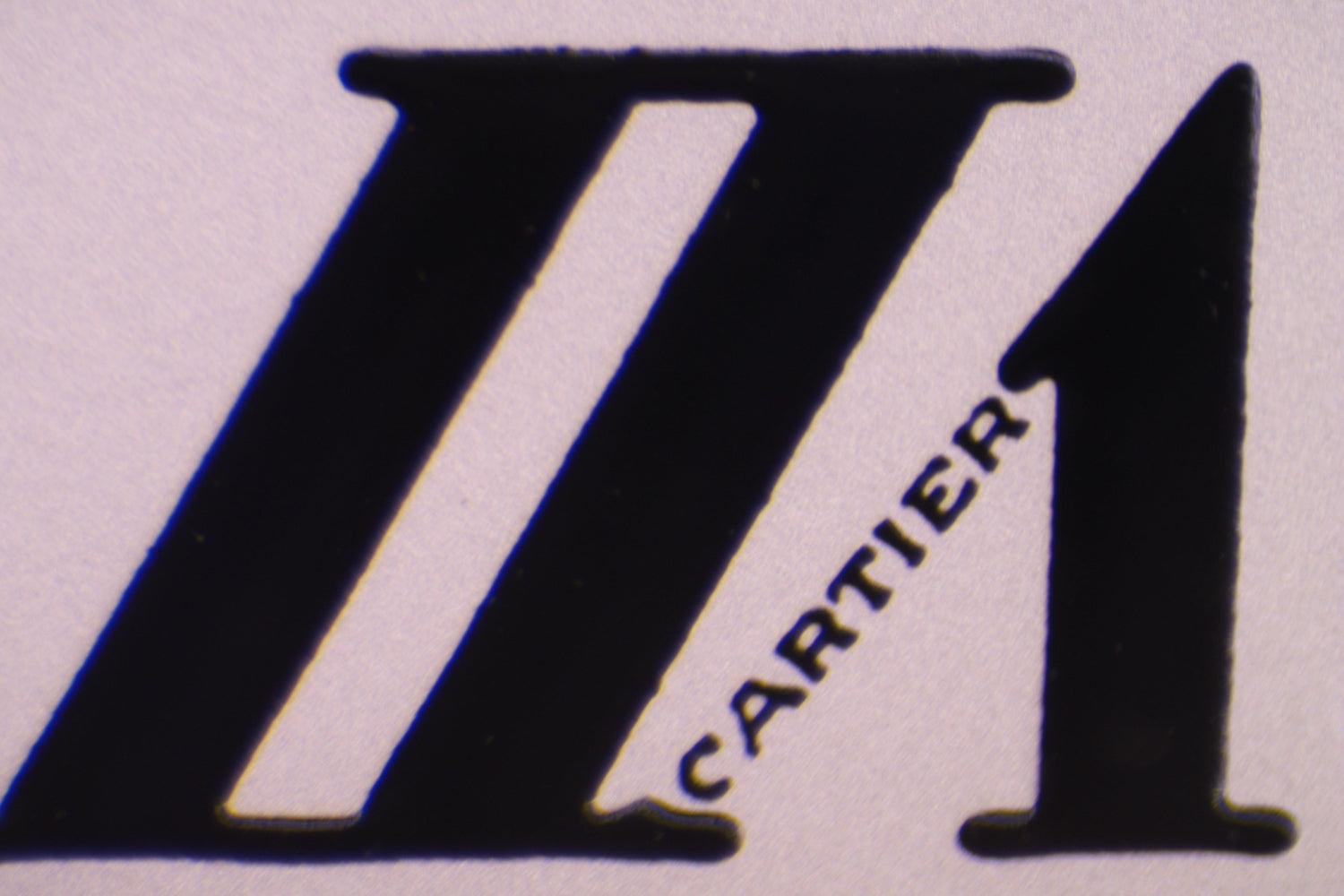
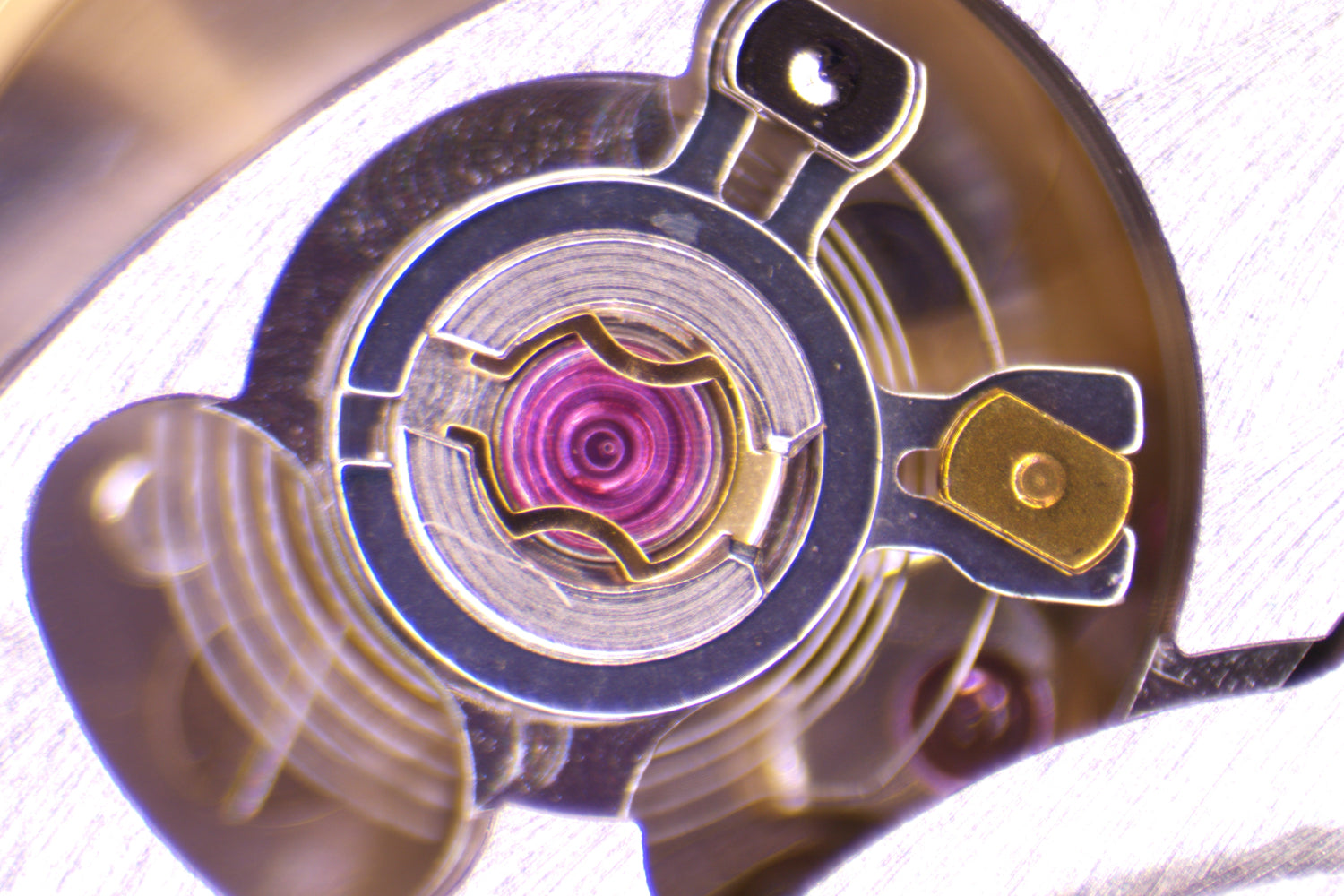
- Cross-check all included materials
- Case engravings and reference numbers
- Serial numbers
- Movement architecture and finishing
- Dial printing and layout characteristics
- Handset design and proportions
- Bracelet and clasp construction
- Manufacturer hallmarks and markings
- Head weight and dimensions
These elements are evaluated for consistency with known production standards for the specific reference.
Mechanical Performance Evaluation
Mechanical performance is evaluated using precision timing instruments designed to measure key indicators of movement health.
Measurements include:
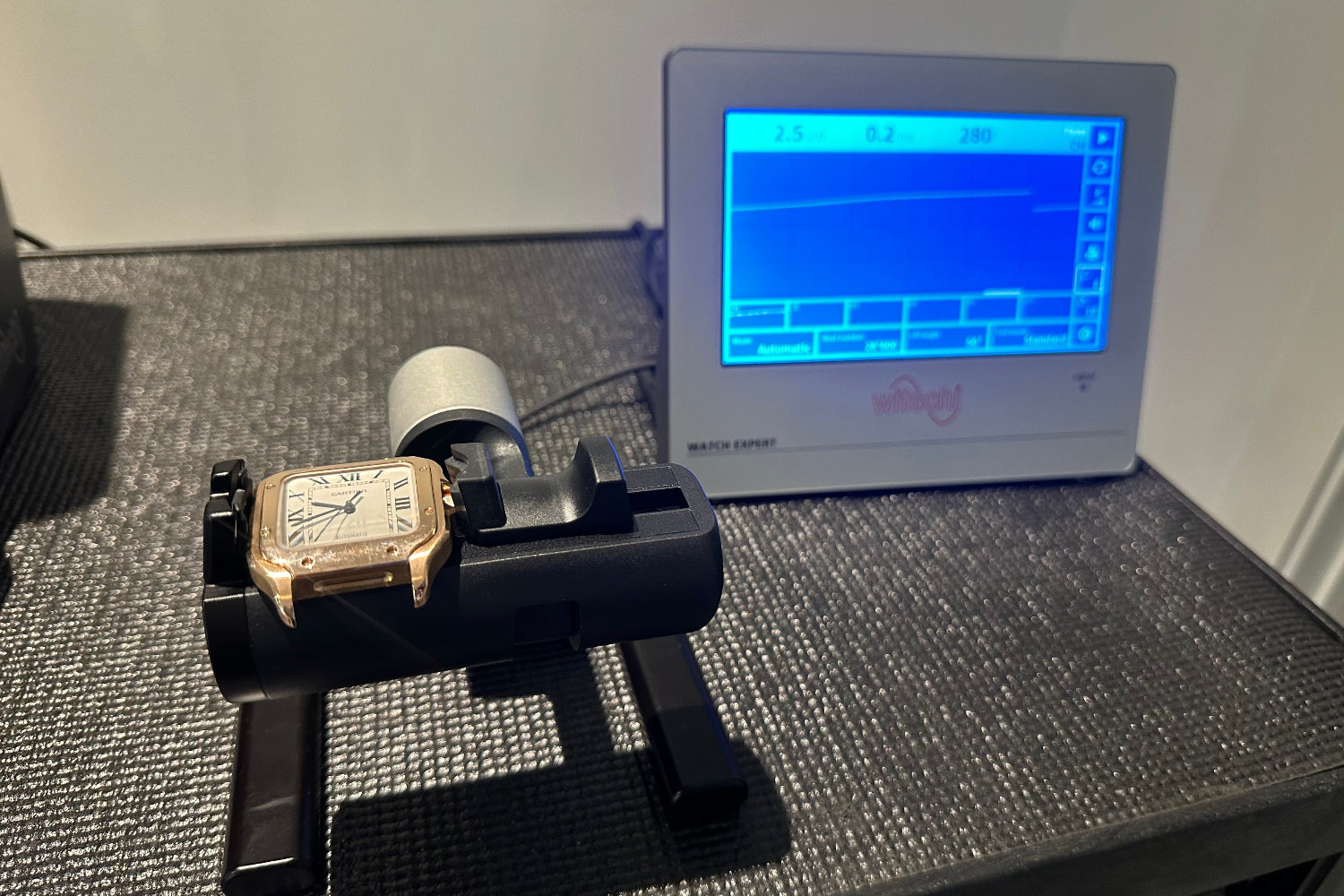
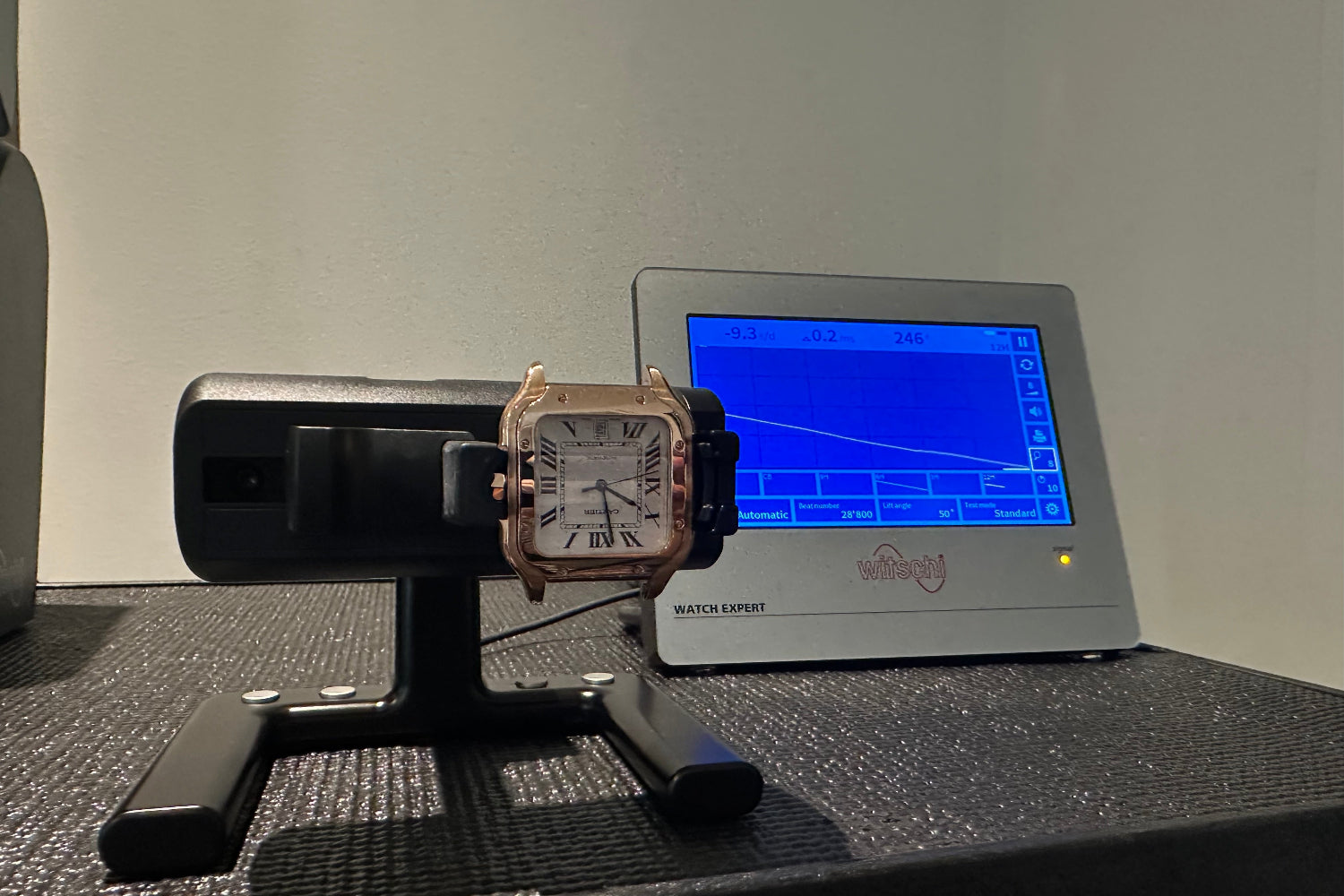
• Rate (seconds per day)
• Amplitude
• Beat error
• Positional variance
Performance data is collected across six (6) positions to observe how the movement behaves under different orientations.
These measurements provide insight into the overall mechanical condition of the movement and may indicate whether the watch is operating within expected parameters, would benefit from regulation, or may require servicing.
Diagnostic Testing
In addition to timing analysis, select diagnostic tests may be performed to evaluate environmental influences and structural integrity that can affect watch performance. These evaluations help identify conditions that may not be visible during external inspection, but can influence long-term reliability and functionality.
Magnetization Testing
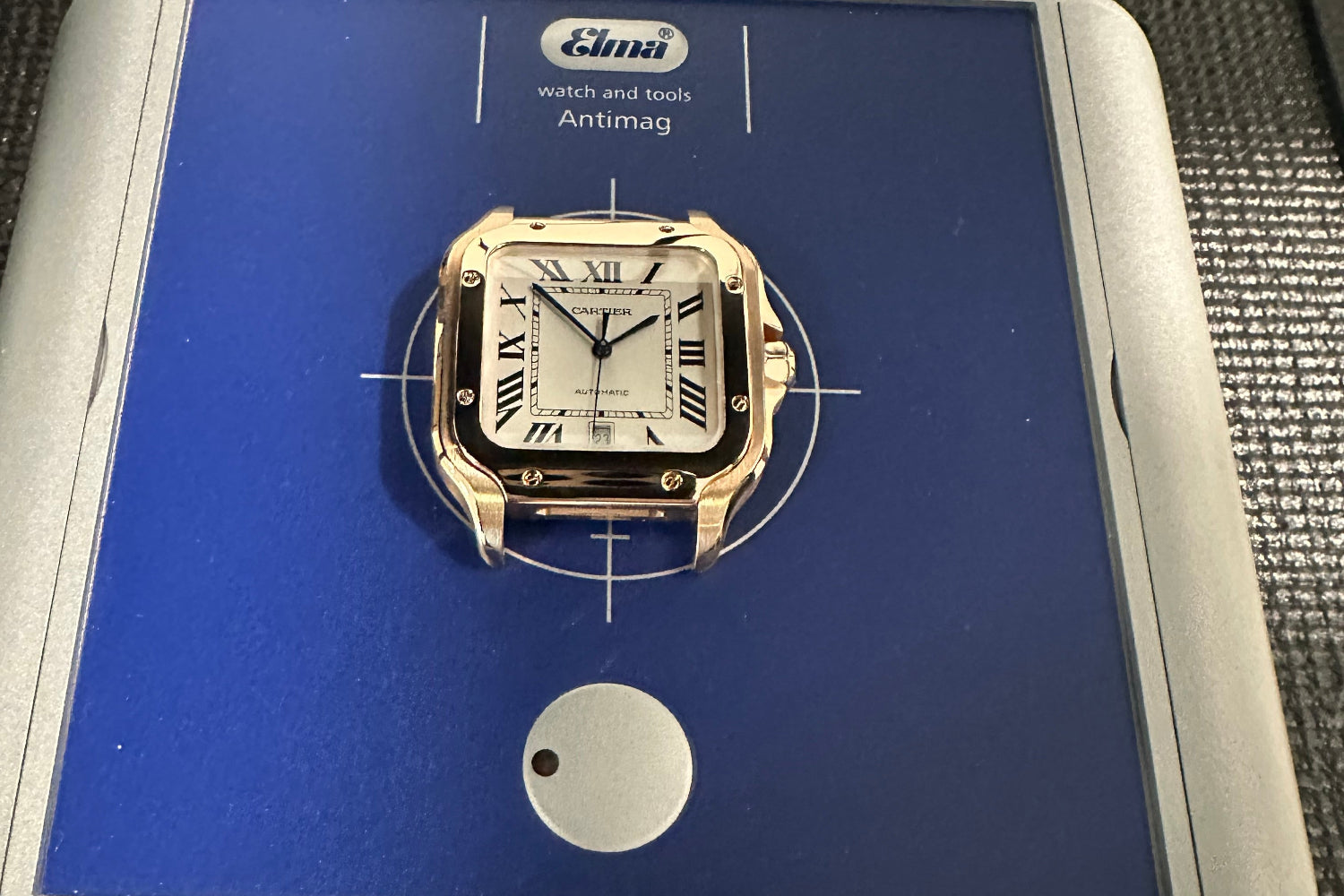
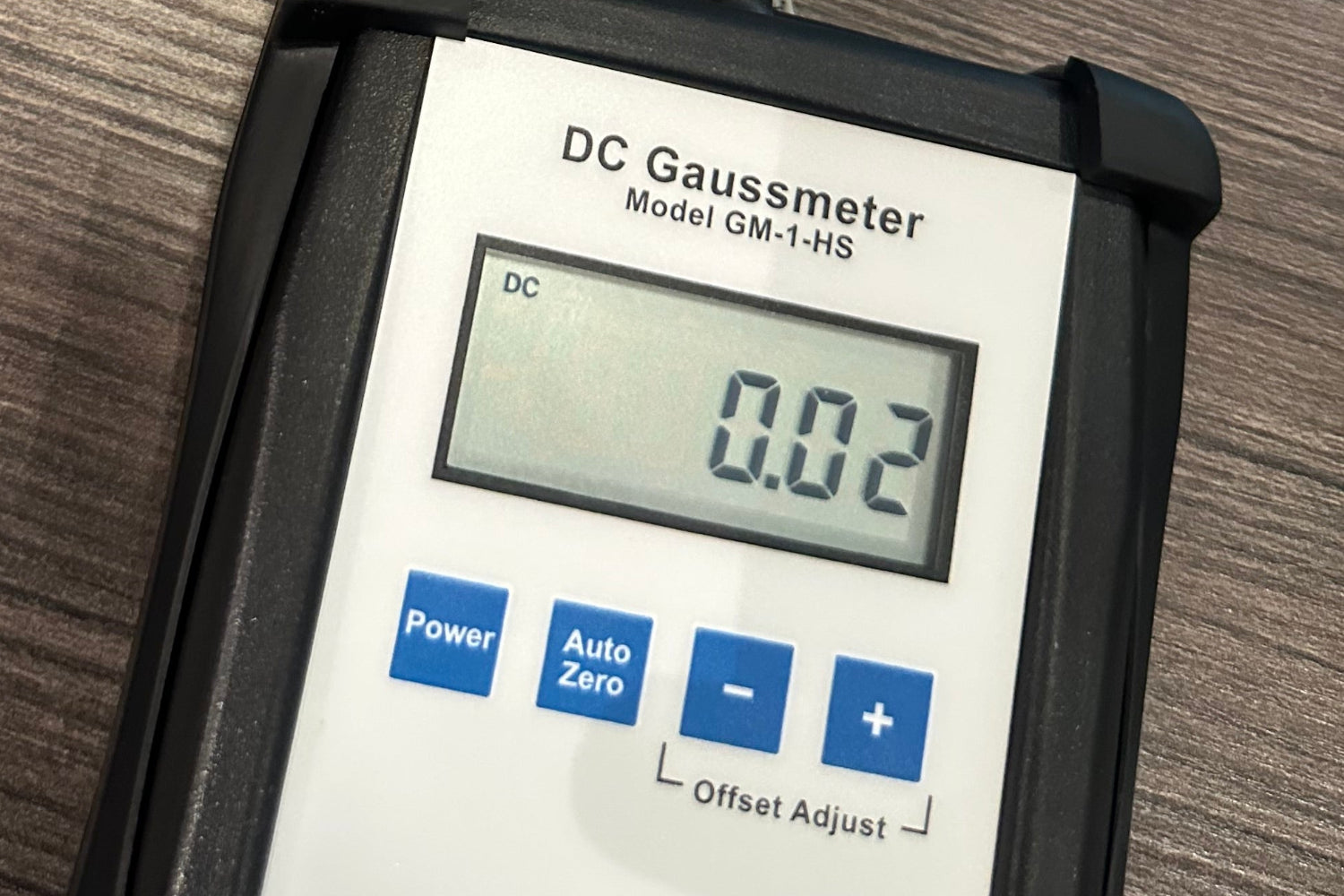
Magnetization testing is performed to determine whether the movement has been exposed to magnetic influence that may affect timekeeping accuracy.
When magnetization is detected, demagnetization may be performed using professional horological equipment to restore normal operating conditions.
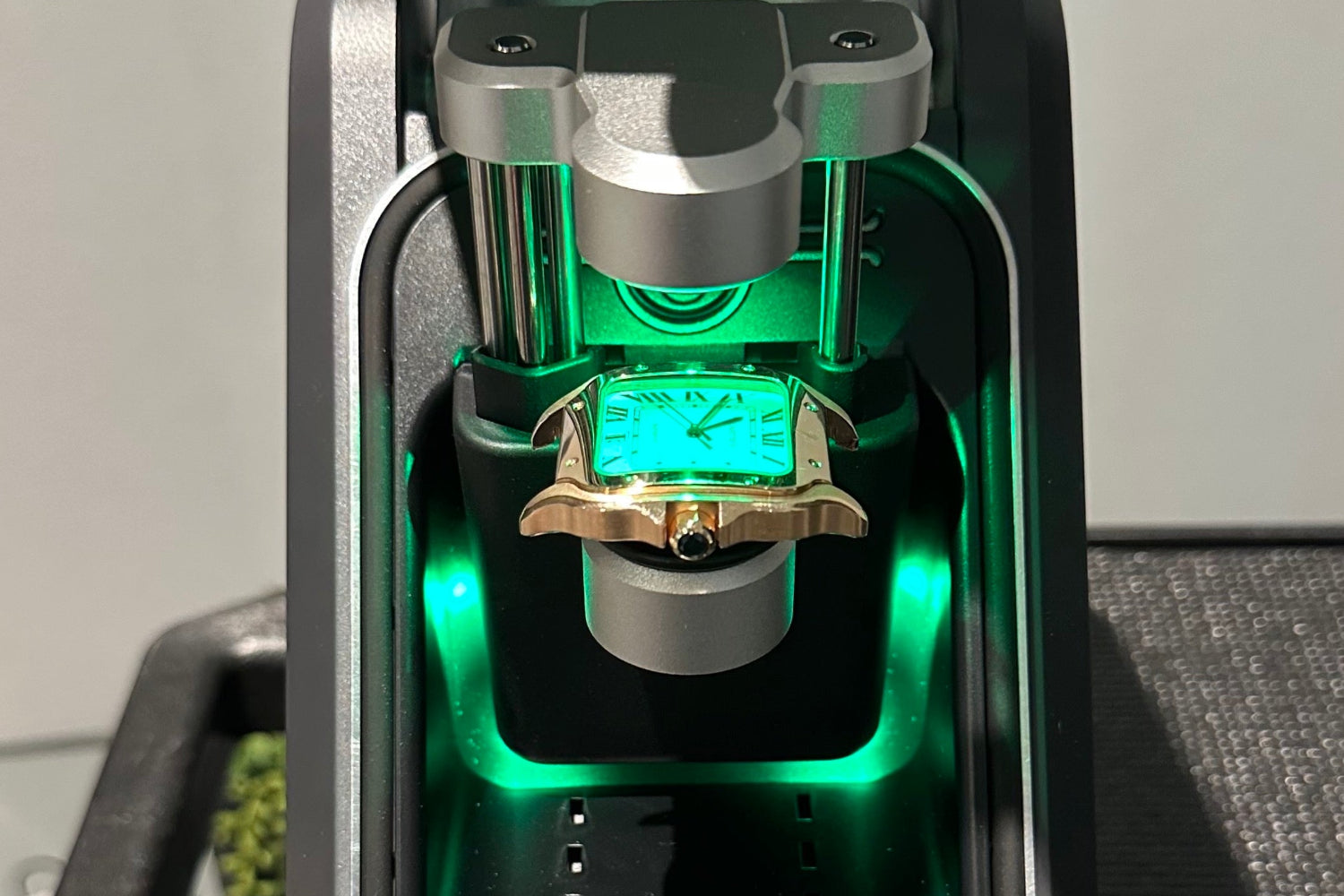
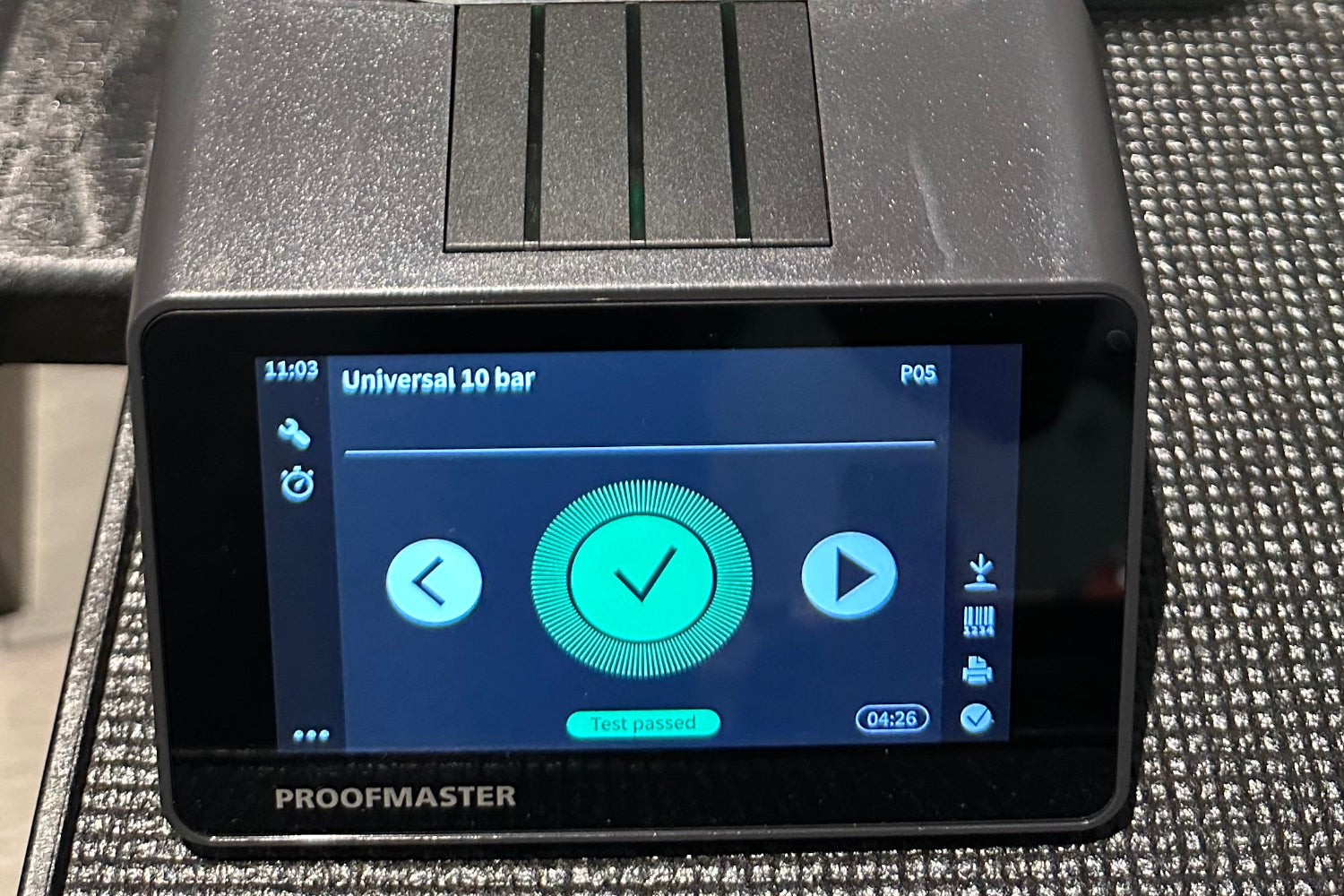
Water Resistance Evaluation
Dry pressure testing allows the watch to be evaluated under controlled pressure without exposing the movement to water to identify potential sealing issues such as:
- Caseback gaskets
- Crown seals
- Pusher seals
- Crystal seating
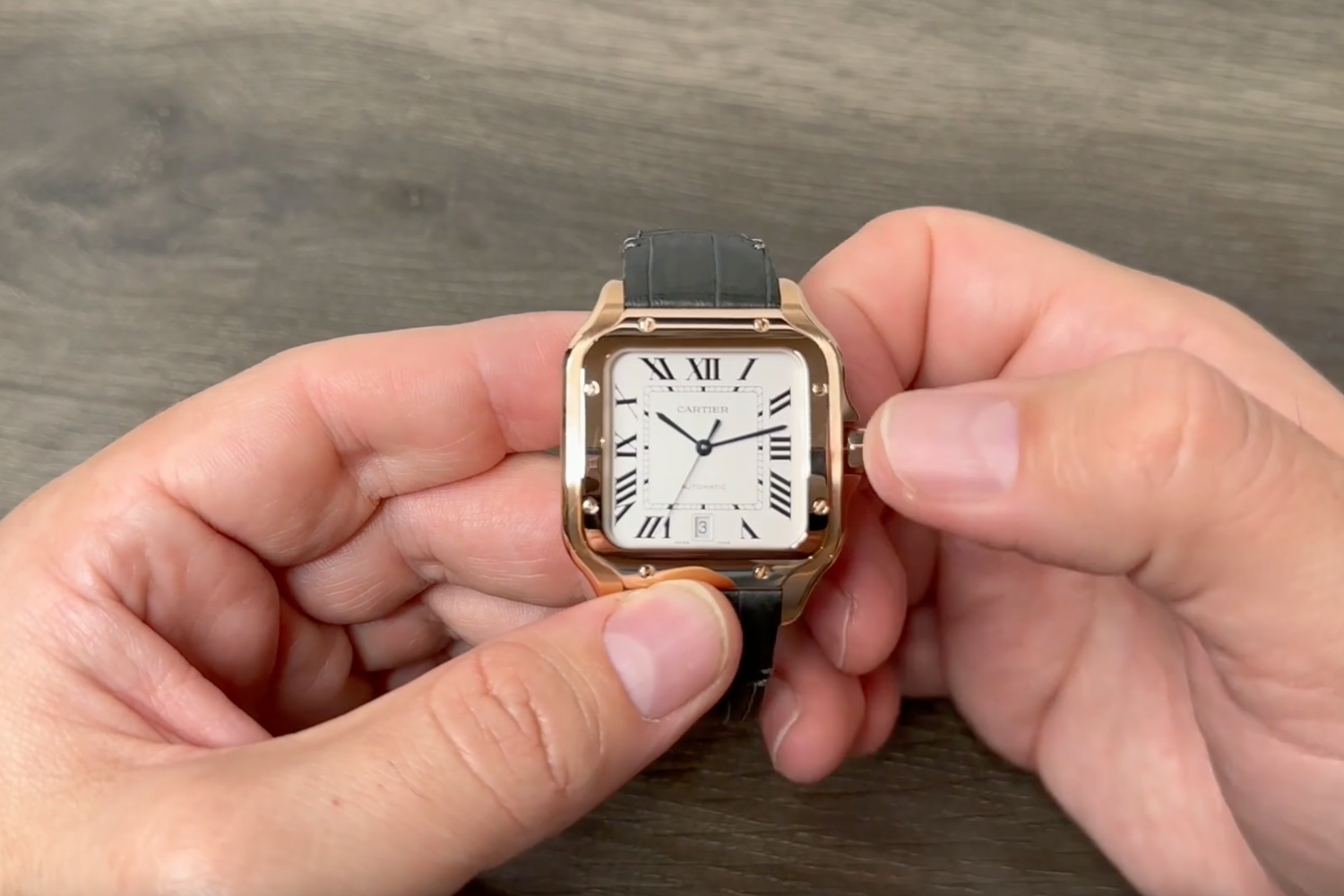

Functional Checks
- Crown winding and setting operation
- Chronograph start, stop, and reset functions (when applicable)
- Calendar and date-change operation
- Bezel rotation (when applicable)
- Clasp open and close
- General responsiveness of movement controls and any additional complications checked
Condition Documentation
A central objective of the verification process is to produce clear and detailed documentation of the watch’s condition.
Documentation typically includes:

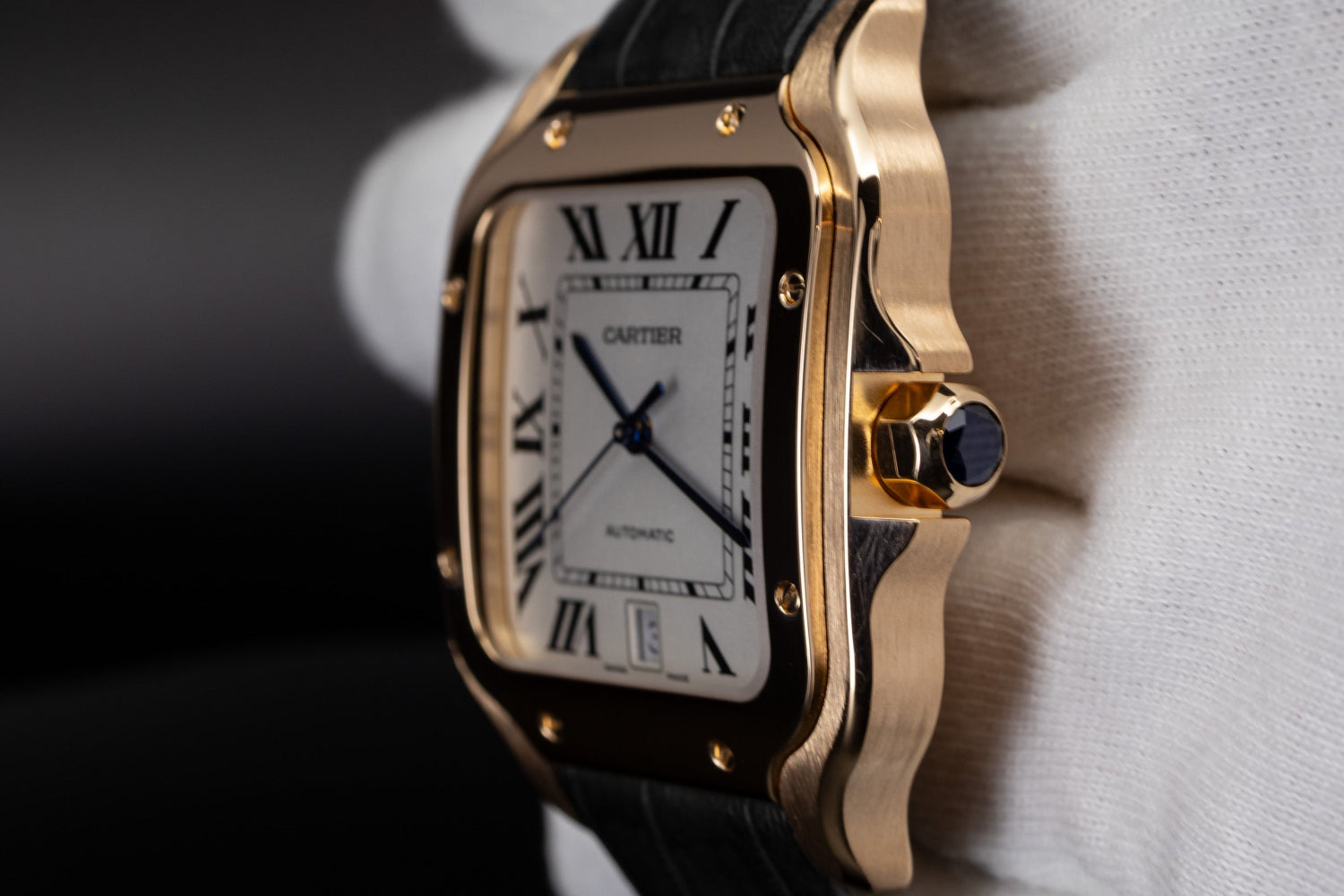
- High-resolution macro photography
- Detailed visual inspection notes
- Wear observations
- Dimensional confirmation where relevant
- Documentation of cosmetic imperfections
The goal is to create a permanent visual record that accurately represents the condition of the watch at the time of certification.
Verification Report & Disclosure
Following inspection, findings are compiled into a structured verification report.
The report summarizes the key observations recorded during the verification process and typically includes:
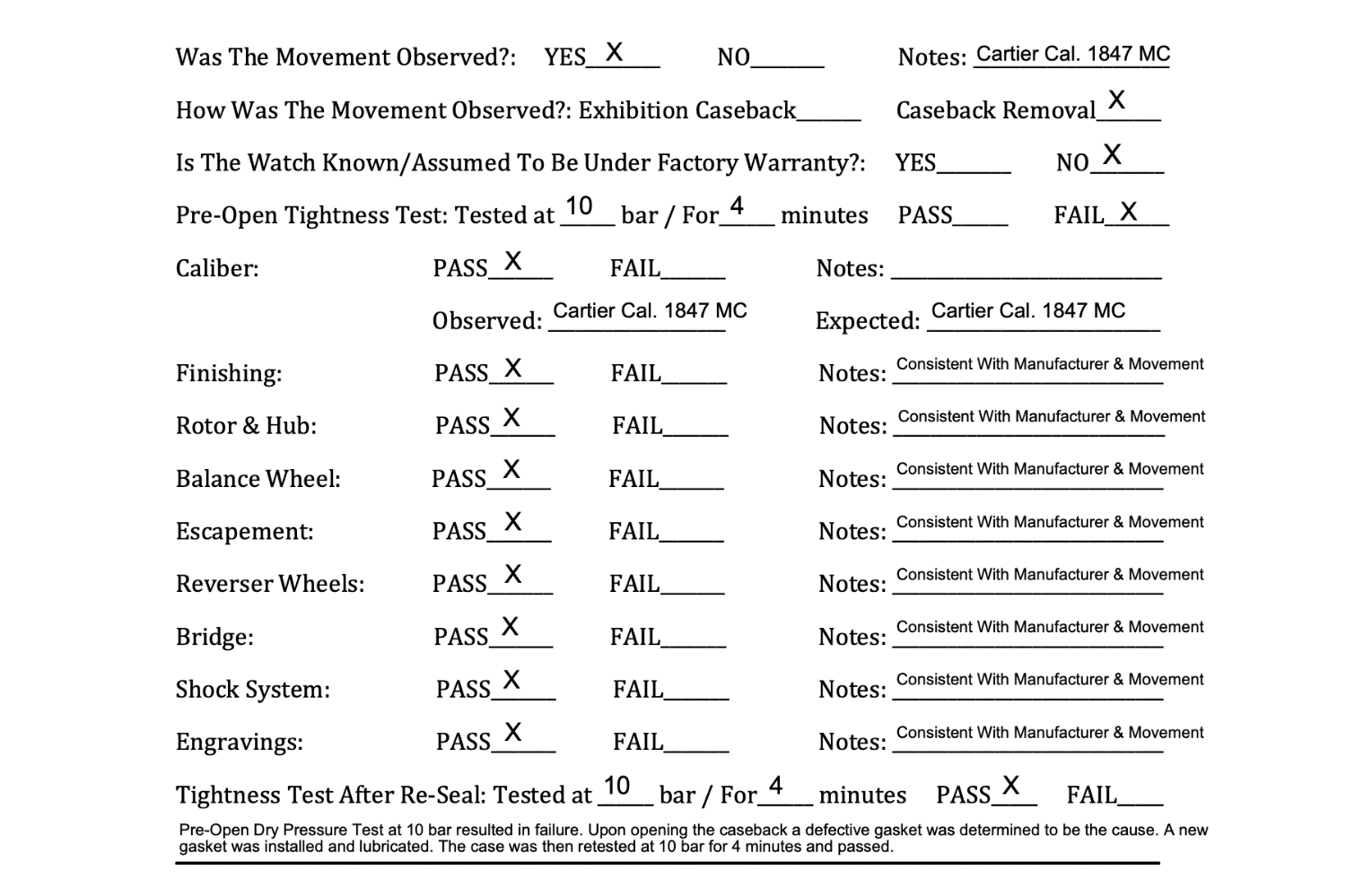

- Mechanical performance measurements
- Physical condition observations
- Authenticity review notes
- Documentation images
- Relevant service indicators when identifiable
If limitations exist — such as restricted access to internal components — those limitations are clearly disclosed.

Verification Suite
Collectors often want to understand what information they will receive during the certification process. Every Finest Kind Certified™ watch includes a complete evidence packet — available for review digitally, even prior to purchase, and delivered with the watch in hard copy.
To provide full transparency, collectors can review an actual Finest Kind Certified™ Verification Suite prepared for a watch. This example demonstrates the level of documentation and evidence provided with every Certified Pre-Owned timepiece.
Documentation format and verification methodology are proprietary to Finest Kind Trading Co. LLC.
Explore Finest Kind Certified™ Watches
Proven Authentic. Proven Reliable. Ready To Wear.
Verification Standards
Frequently Asked Questions
Watch authentication is the process of verifying that a timepiece is genuine and consistent with the original manufacturer’s specifications. This includes examining serial numbers, engravings, dial details, movement components, and overall construction to confirm authenticity.
At Finest Kind, authentication is performed through a structured, evidence-based process using magnification, measurement tools, and documented inspection. The goal is not just to confirm authenticity, but to provide clear, verifiable proof that the watch is correct in its components and configuration.
A luxury watch is verified through a combination of visual inspection, component analysis, and technical validation. This includes reviewing the case, dial, hands, engravings, and movement architecture for consistency with known manufacturer standards.
A Finest Kind Certified™, verification also includes cross-checking serial numbers, confirming material and dimensional accuracy, and identifying any replacement or non-original components. Each step is documented to create a transparent record of the authentication process.
A watch certification includes a complete evaluation of authenticity, mechanical performance, and physical condition. This typically involves external inspection, movement analysis, timegrapher testing, magnetization screening, and water-resistance evaluation where applicable.
Finest Kind Certified™ also includes detailed condition documentation, high-resolution photography, and a structured verification report outlining all findings. The result is a clear, evidence-backed assessment of the watch at the time of certification. Learn more about our certification service or begin a certification applicaiton.
Timegrapher results provide a precise snapshot of a watch’s mechanical performance under controlled conditions. Measurements such as rate (seconds per day), amplitude, and beat error are used to evaluate movement health and consistency.
At Finest Kind, performance is measured across six positions to understand how the watch behaves in real-world orientations. While results are highly reliable, they represent performance at the time of testing and are used as part of a broader diagnostic evaluation.
No. Not all watches meet the standards required for certification.
If a watch shows inconsistencies in authenticity, significant mechanical issues, or condition concerns that fall outside acceptable parameters, it may not pass the certification process. In these cases, findings are clearly documented and disclosed.
The purpose of Finest Kind Certified™ is not to approve every watch, but to ensure that any watch presented as certified meets a consistent, transparent standard.
Finest Kind specializes in authenticating and mechanically diagnosing luxury timepieces from the world’s most respected watchmakers, including Rolex, Patek Philippe, Audemars Piguet, Vacheron Constantin, Richard Mille, Omega, Cartier, Tudor, Jaeger-LeCoultre, IWC, Hublot, Panerai, Breitling, TAG Heuer, and more.
Luxury Watch Verification Methodology
Finest Kind Certified™ verification standards are designed to provide a structured framework for evaluating luxury watch authenticity, mechanical performance, and condition through systematic inspection, diagnostics, and documented analysis.
Our methodology may include authentication review, dimensional verification, movement diagnostics, magnetization screening, pressure testing, and detailed condition documentation depending on the specific watch and configuration.
These verification standards are applied across Rolex, Patek Philippe, Audemars Piguet, Cartier, Omega, Tudor, and other leading luxury watch brands handled through Finest Kind Certified™.